Generative Engine Optimization (GEO): Platform-by-Platform Guide 2026
Generative engine optimization guide for getting cited by Google AI Overviews, Perplexity, and ChatGPT. Platform-specific tactics for schema, E-E-A-T, and AI citation tracking.
Direct Answer: Generative Engine Optimization (GEO) is the framework for getting your content cited, summarized, and trusted by AI search engines like ChatGPT, Perplexity, and Google AI Overviews. Key strategies include: structuring content for AI extraction with schema markup and entity clarity, building E-E-A-T signals with verifiable claims, optimizing for each platform's unique requirements (Google needs SERP rank, Perplexity demands speed, ChatGPT rewards third-party validation), and measuring success through citation frequency and share-of-voice in AI answers.
Generative Engine Optimization (GEO) is the framework for getting your content cited, summarized, and trusted by AI search engines like ChatGPT, Perplexity, and Google AI Overviews. Instead of chasing clicks, GEO focuses on becoming the source AI engines consistently pull answers from.
The old SEO playbook, keywords, backlinks, rankings, no longer guarantees visibility in an AI-first search experience. Today, brands must structure content so machines can extract, evaluate, and reuse it with confidence. Visibility now depends on clarity, authority, and machine-readable trust signals.
If you want your brand to become the answer AI can't stop referencing, keep reading to learn the platform-specific tactics that actually move the needle. For broader GEO strategy and competitive positioning, see our GEO optimization guide.
Key Takeaways
- GEO prioritizes authoritative citations and structured data over traditional backlinks, making your content easier for AI to extract and trust.
- Each AI platform has unique requirements; Google needs top SERP rank, Perplexity demands speed, and ChatGPT rewards third-party validation.
- Success is measured by citation frequency and share-of-voice in AI answers, not just organic traffic, requiring new tracking methods.
Understanding Generative Engine Optimization (GEO)
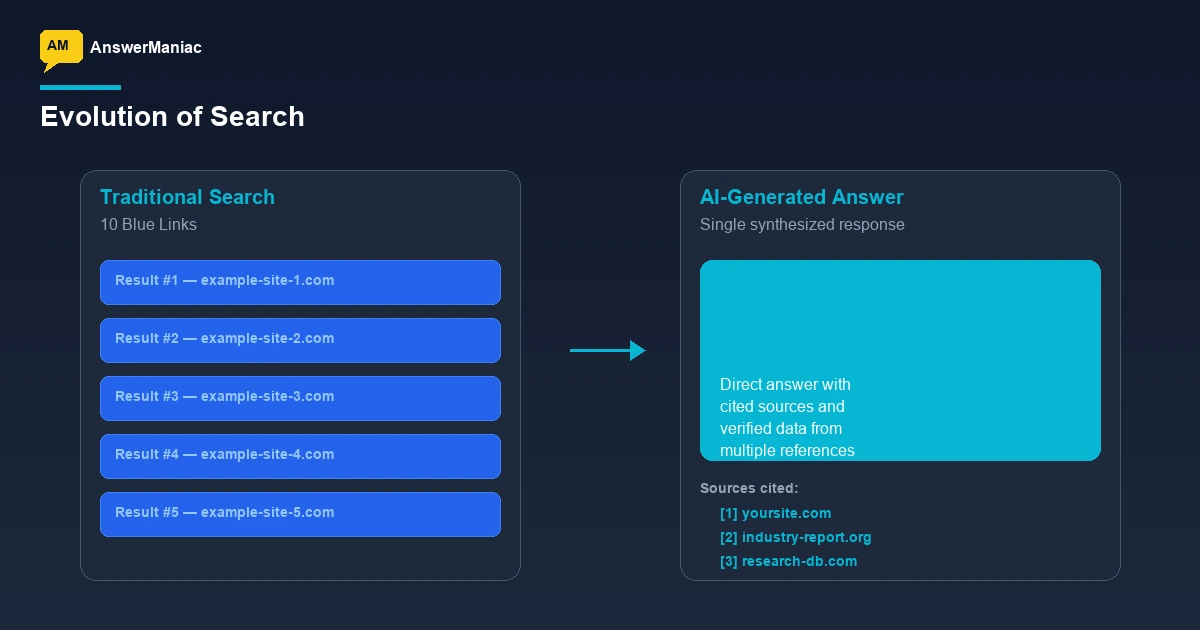
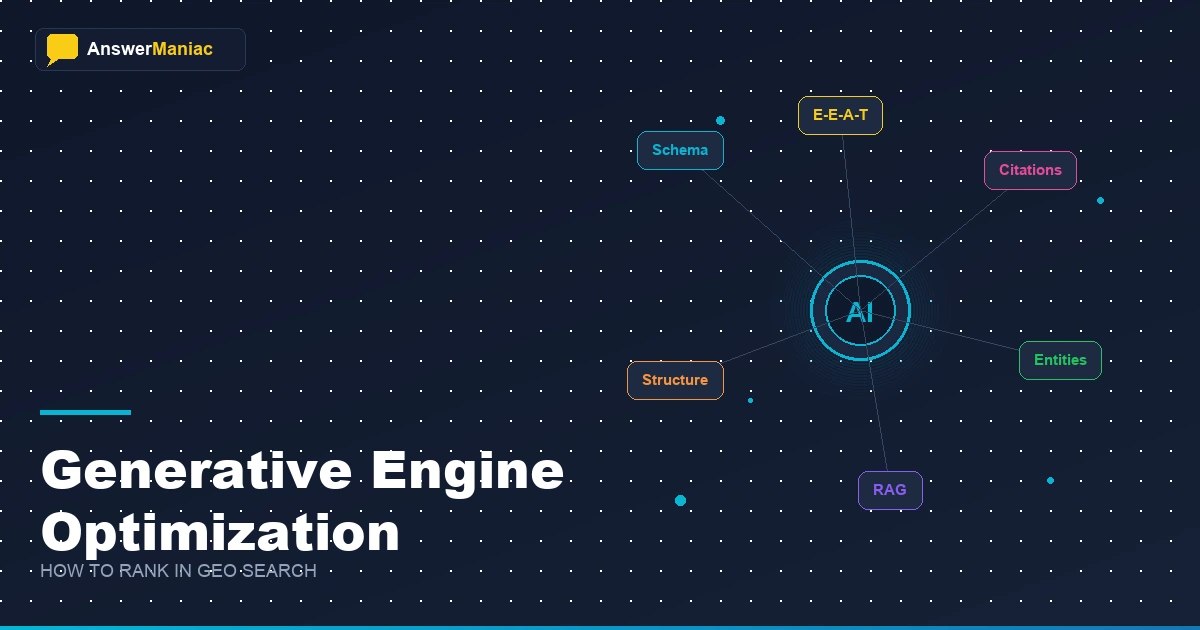
Generative Engine Optimization (GEO) is the practice of making your content easy for AI search engines to find, trust, and cite inside their answers. Instead of chasing a top blue link, you're aiming to be the source behind an AI's response.[1]
GEO focuses less on keyword tricks and more on clarity, structure, and proof. The goal is simple: your content should look like the safest, most reliable option for an AI model to quote.
For brands new to this shift, understanding how to rank in answer engines starts with creating content that AI systems can easily extract, verify, and confidently reuse inside generated answers.
Key foundations align with E-E-A-T (Experience, Expertise, Authoritativeness, Trustworthiness), but pushed further into provable trust:
- Structured Data: Use schema markup so AI crawlers can clearly read your content.
- Entity Clarity: Define your brand, products, and key concepts in precise, consistent terms.
- Verifiable Claims: Support claims with stats, expert input, and citations.
- Authoritative Tone: Write clear, direct answers that solve specific questions.
GEO is built for engines like Perplexity, ChatGPT's SearchGPT, and Google's AI Overviews that rely on Retrieval-Augmented Generation (RAG) to pull in live, reliable data.
GEO vs Traditional SEO: A Shift From Rankings to Citations
The gap between GEO and traditional SEO is about purpose. SEO is built to bring people to your site. GEO is built to make your content the trusted reference inside AI-generated answers.
Traditional SEO focuses on rankings, clicks, and conversions. You target keywords, earn backlinks, and optimize pages to appear high on search results. Success is measured in impressions, traffic, and sales.
This shift mirrors many principles found in a modern AEO optimization strategy, where success is defined by extractability, trust, and consistent inclusion inside machine-generated answers rather than traditional rankings alone. Success is measured in how often you're mentioned or referenced inside AI answers.
AI models rely heavily on entity recognition. If a model can clearly match your brand to your core offer, and see supporting signals, you're more likely to be cited. Clear entity definition, structured data, and verifiable claims become core tactics, not extras.
Here's how the two compare:
| Feature | Traditional SEO | Generative Engine Optimization (GEO) |
|---|---|---|
| Primary Goal | Rank #1 on Google | Secure citations in AI responses |
| Content Focus | Keywords and backlinks | Statistics, Named Entities, and Schema |
| User Intent | Click-through to site | Direct answer satisfaction |
| Technical Need | Crawlability | LLMs.txt and Structured Data |
Build the Right Foundation for Google AI Overviews
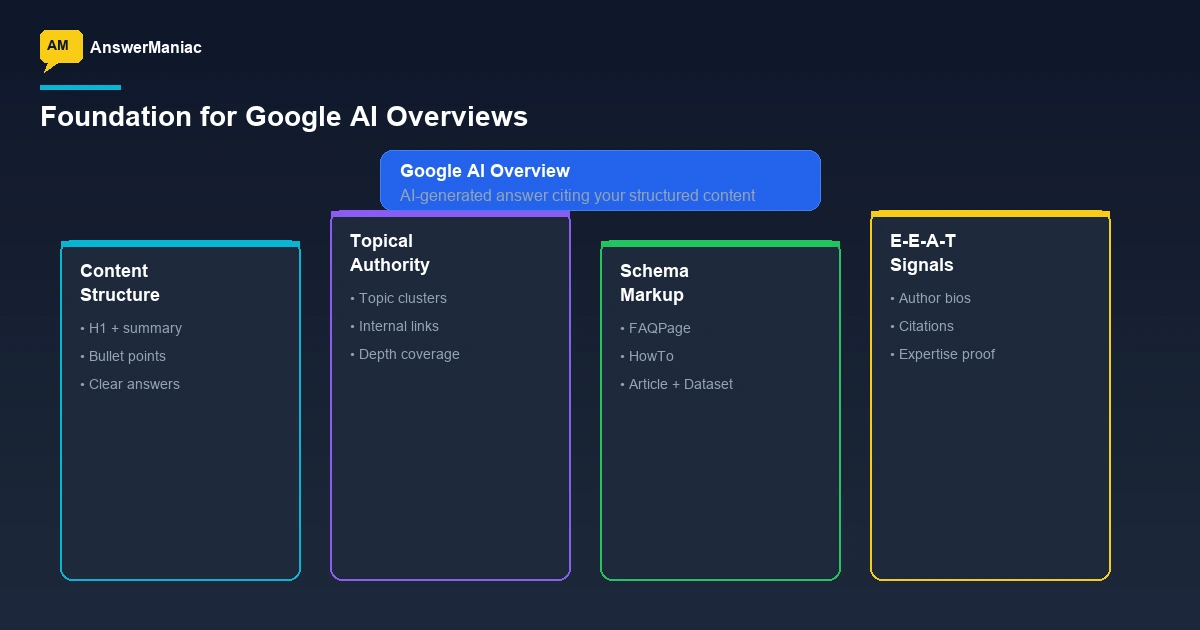
Most pages that appear in Google AI Overviews have one thing in common: they already rank well in traditional search. The AI behind Overviews pulls from high-ranking, trusted pages, not from random results. So the first step is still solid SEO. You want to reach page one, ideally positions one to three, for the queries that matter most to your business.
That means covering the basics with care: strong on-page optimization, useful content, clean internal links, and healthy technical performance. Once that baseline is established, this GEO optimization guide shows how to translate traditional SEO strength into machine-readable trust signals that Google's AI Overviews are more likely to cite.
This is where structured data becomes critical. FAQPage and HowTo schema help Google understand questions and steps directly from your page. They mark sections of content as clear, reusable units. For a deeper look at how schema ties into AI citations, see our guide on schema markup for AI and ChatGPT citations.
You're guiding the AI toward the exact parts that answer the query, which increases your chances of being pulled into an Overview, especially on complex or multi-step topics.
Structure Content for Easy AI Extraction
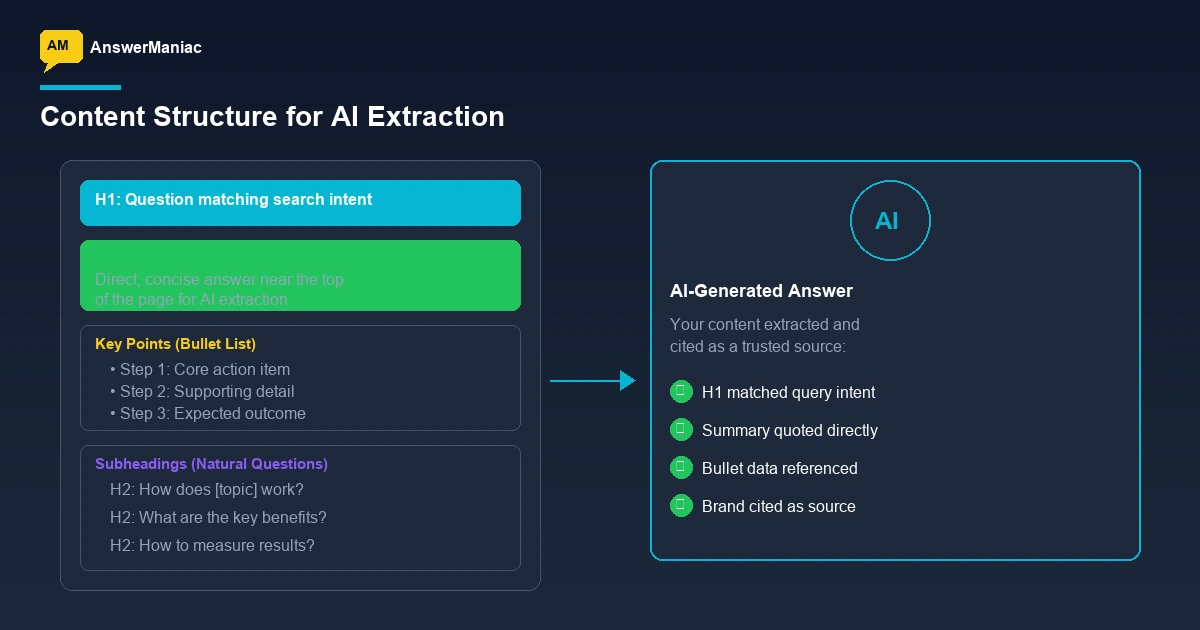
After the foundation, the next step is how you present information on the page. Google's AI is trying to gather a direct, reliable answer as quickly as possible. That means your content should lead with clarity. Start pages with a short, precise answer to the main question, then follow with details, context, and examples.
A simple layout works well:
- An H1 that matches the search intent.
- A two-three sentence summary answer near the top.
- Bullet points for steps, features, or key actions.
- Subheadings that mirror natural questions users ask.
You can then layer in trust signals:
- Clear author names and short bios.
- References, data, or case examples where relevant.
- Company background and expertise where it supports the claim.
Regularly review Search Console for AI Overview impressions on key URLs. When you see queries that trigger Overviews, refine those pages to tighten the opening answer and improve structure. The goal is to make your content the easiest piece for the AI to lift, understand, and stand behind.
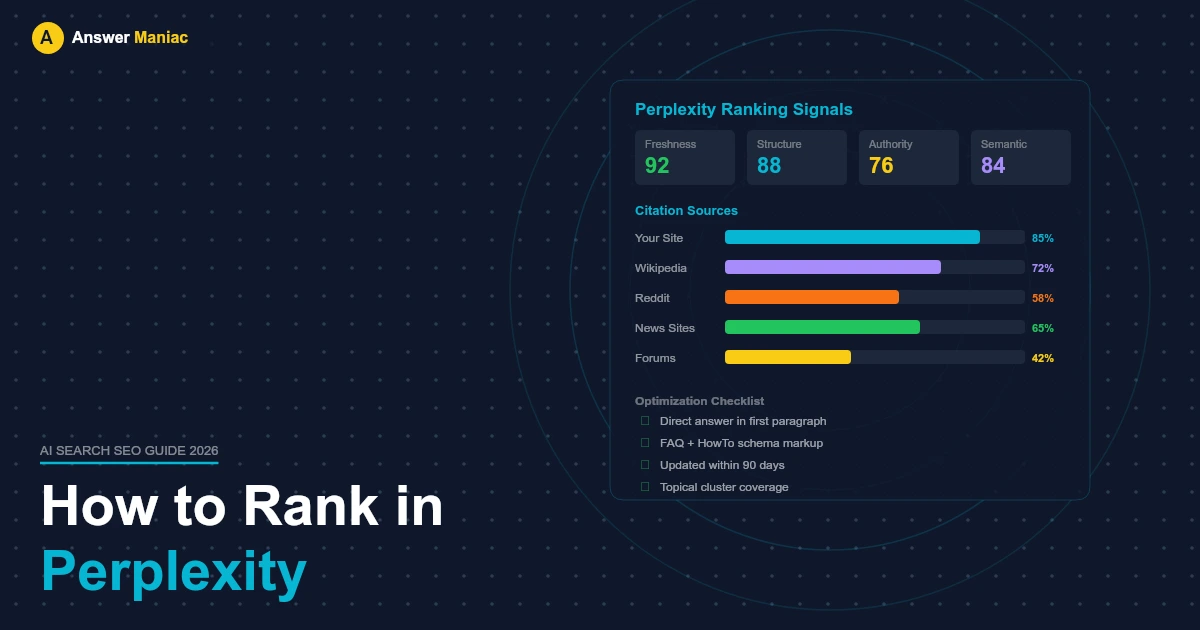
How Perplexity AI Evaluates and Selects Sources
Perplexity AI doesn't just search, it builds an answer in real time. It crawls the web during a query, pulls fresh sources, then synthesizes them on the spot. That means it cares a lot about three things: freshness, source agreement, and site performance.
For a more detailed breakdown, check our complete guide to Perplexity AI search and Perplexity citations for B2B brands.
Speed as a Gatekeeper
If your mobile page drags its feet and takes too long to load, there's a real chance Perplexity's crawler moves on before your content is ready to be cited. That's where Core Web Vitals stop being optional.
Metrics like Largest Contentful Paint, Interaction to Next Paint, and Cumulative Layout Shift shift from "nice if you have them" to basic technical hygiene you're expected to meet. Core Web Vitals become basic requirements, not nice-to-haves.
Signals of Trust and Authority
Perplexity looks for consensus. External brand mentions, industry directory listings, news citations, and forum references all help show that your site is a reliable source. The more cross-verified you are, the more likely you are to be used.
Advanced Schema Use
Beyond Article schema, using Dataset schema on research or data pages helps signal structured, factual content that's ideal for synthesis. It's a clear way to mark pages as strong answer sources.
Increasing Visibility Across ChatGPT and OpenAI Models
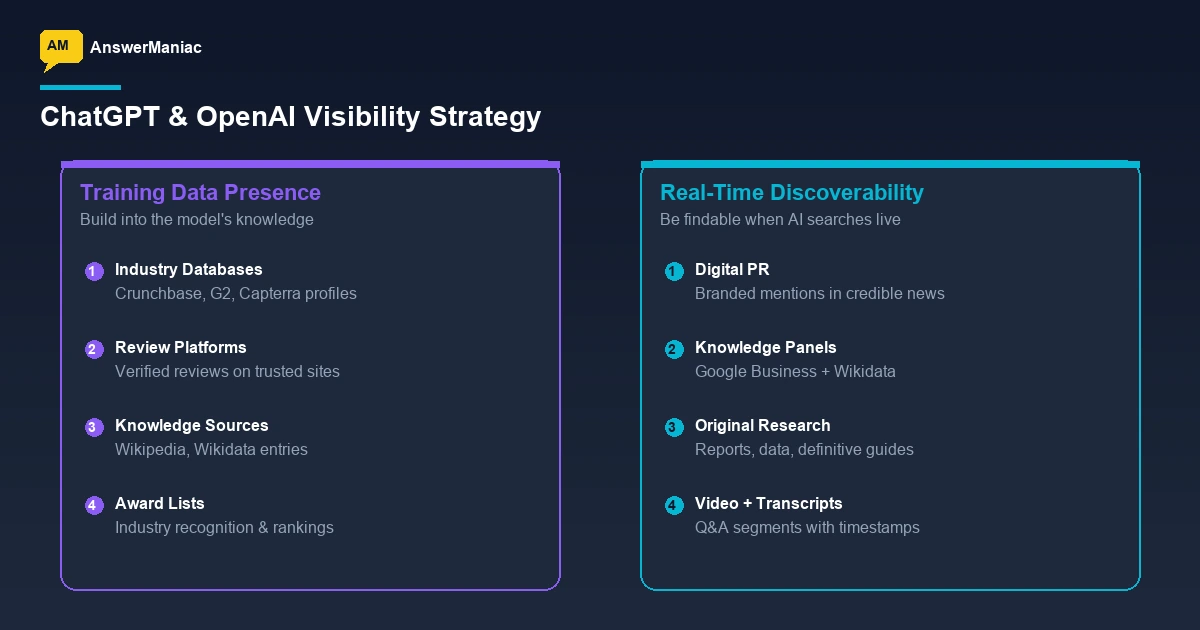
ChatGPT and OpenAI models use two main inputs: past training data and live web data (through tools like SearchGPT). Your strategy has to support both.
For platform-specific strategies, see our guides on Claude AI citations, Gemini AI visibility, and Copilot citations.
Strengthen Presence in Training Data
Focus on durable, trusted sources that are likely part of the model's training mix.
Priority targets include:
- Industry databases (e.g., Crunchbase-style profiles)
- Reputable review platforms and award lists
- Wikis and structured knowledge sources
These placements help the model learn who you are, what you do, and where you fit in your category.
Improve Real-Time Discoverability
For live browsing, you're trying to make your brand easy to verify and connect in the broader knowledge graph:
- Secure listings in key industry databases and commercial directories
- Run digital PR for branded mentions in credible news and reports
- Optimize knowledge panels via Google Business Profile and Wikidata
- Publish original research, reports, and clear "definitive" guides
- Use video with transcripts and timestamps for Q&A-style segments
The goal is simple: when the AI checks your niche, it should repeatedly see your brand in accurate, trusted, well-structured contexts. ChatGPT can now search the web in a much better way than before, blending conversational context with up-to-date information from web sources.[2]
Measuring Success in Generative Engine Optimization
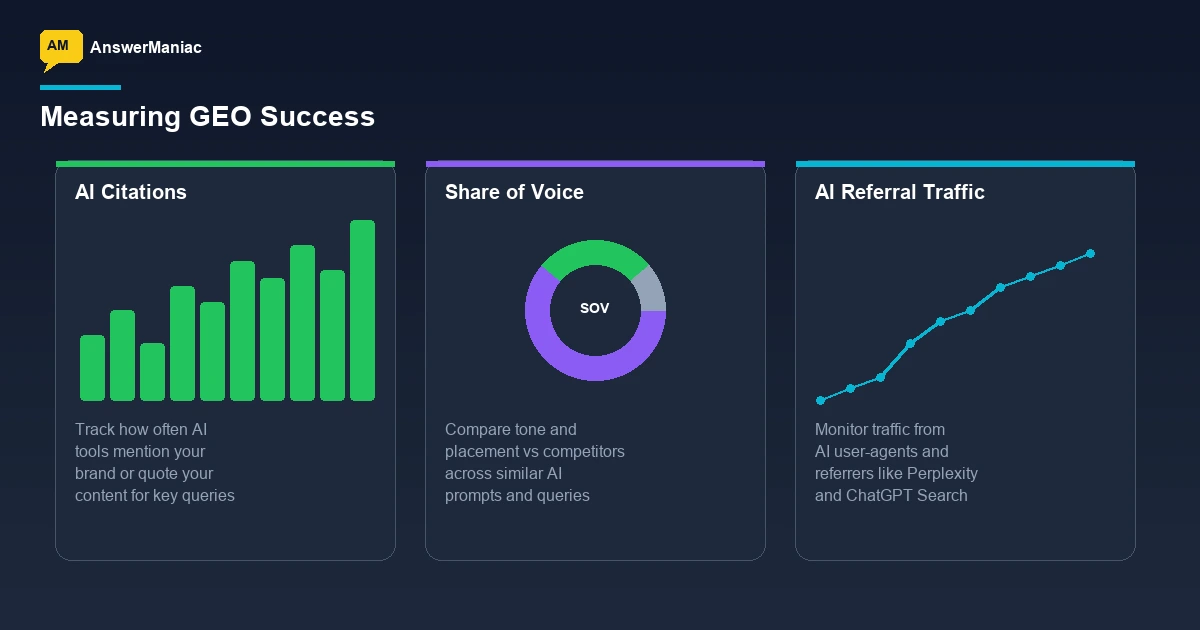
Traditional SEO metrics don't capture the full picture in GEO. You need new ways to track whether AI engines are picking up your content. For a deeper look at how AI visibility compares to traditional SEO tracking, see our AI visibility vs SEO comparison.
Track AI Citations
The core metric is citation frequency. How often do AI tools mention your brand, quote your content, or reuse your data for key queries? You can check this with manual prompts and emerging agent analytics that log AI outputs. Look for patterns: product types, use cases, or comparisons where you appear.
Measure Sentiment and Share of Voice
Next, study how you are mentioned. Are you framed as a leader, a relevant option, or rarely included? Compare tone and placement versus competitors across similar prompts. This shows your real "share of voice" inside AI answers, not just on result pages.
Monitor AI Referral Signals
Finally, track AI-driven visibility. Use Google Search Console's "AI Overview impressions," and watch analytics for traffic from AI user-agents or referrers (like Perplexity). Together, these three views, citations, sentiment, and referrals, give a practical read on GEO performance.
Want a baseline? Run a free AI visibility audit to see how often AI platforms cite your brand today.
FAQ
How do generative search engines decide which sources to cite?
Each platform has its own ranking logic. Google AI Overviews lean heavily on traditional SERP rank, so pages already in positions 1-3 get priority. Perplexity crawls the web live and favors fast-loading pages with cross-verified claims. ChatGPT pulls from training data and live browsing, weighting third-party mentions and knowledge graph presence. Across all of them, structured data, entity clarity, and E-E-A-T signals determine whether your content gets quoted or skipped.
What content formats work best for generative engine optimization?
Lead with a direct answer in the first 40-60 words, then expand with supporting detail. Bullet-point summaries, statistic-backed claims, and expert quotes all perform well. Video transcripts with timestamps help for Q&A-style content. Tables work for comparisons. The key is modular structure: each section should stand alone as a quotable unit that AI can extract without needing the full page.
How does structured data improve GEO visibility?
Schema markup gives AI a machine-readable layer on top of your content. FAQPage schema maps questions to answers. HowTo schema maps steps to processes. Article and Organization schema connect your content to your brand entity. Dataset schema signals factual, research-grade content. Together, these help AI crawlers parse your page faster and with more confidence, which directly increases your chances of citation.
Which trust signals matter most for getting cited by AI?
Third-party validation is the biggest factor. That means mentions in credible news outlets, positive reviews on trusted platforms (G2, Capterra), listings in industry databases, and Wikidata/Wikipedia presence. AI models cross-reference your claims against external sources. If multiple trusted sites agree that you're an authority on a topic, the model is far more likely to cite you. Internal signals like author bios, original research, and fresh content also contribute.
How do you track whether GEO is working?
Monitor three things: citation frequency (how often AI mentions you for target queries), sentiment (how you're positioned vs competitors in AI answers), and AI referral traffic (visits from AI user-agents like Perplexity or ChatGPT). Use Google Search Console to watch for high-impression, low-click queries, which often indicate AI Overview appearances. Manual prompt testing across platforms gives you the clearest picture of where you stand.
The Path to Becoming AI's Preferred Answer
Search now runs on two tracks. People click, AI cites. To compete today, you still need the basics: strong SEO, a healthy website, clear content, and real E-E-A-T. But that's no longer enough on its own. You also need GEO: clear entities, clean structured data, and content built to be quoted by AI. Your goal is not just to rank, but to be the source AI trusts.
GEO and AEO work together. While GEO focuses on platform-specific tactics, a solid answer engine optimization strategy gives you the content foundation that makes GEO work across every platform.
Want to see how often AI picks you, or skips you? Get a free AI Visibility Audit from AnswerManiac to spot your citation gaps, understand which competitors are being mentioned instead, and find your highest-impact GEO opportunities.
References
Get AEO Insights Weekly
Join 500+ B2B marketers getting AI visibility tactics every Tuesday.
Ready to Get Your Brand Cited by AI?
See how your competitors show up in ChatGPT, Perplexity, and Gemini — and what it would take to get recommended.