AI Visibility Tracking: What It Is and Why It Matters in 2026
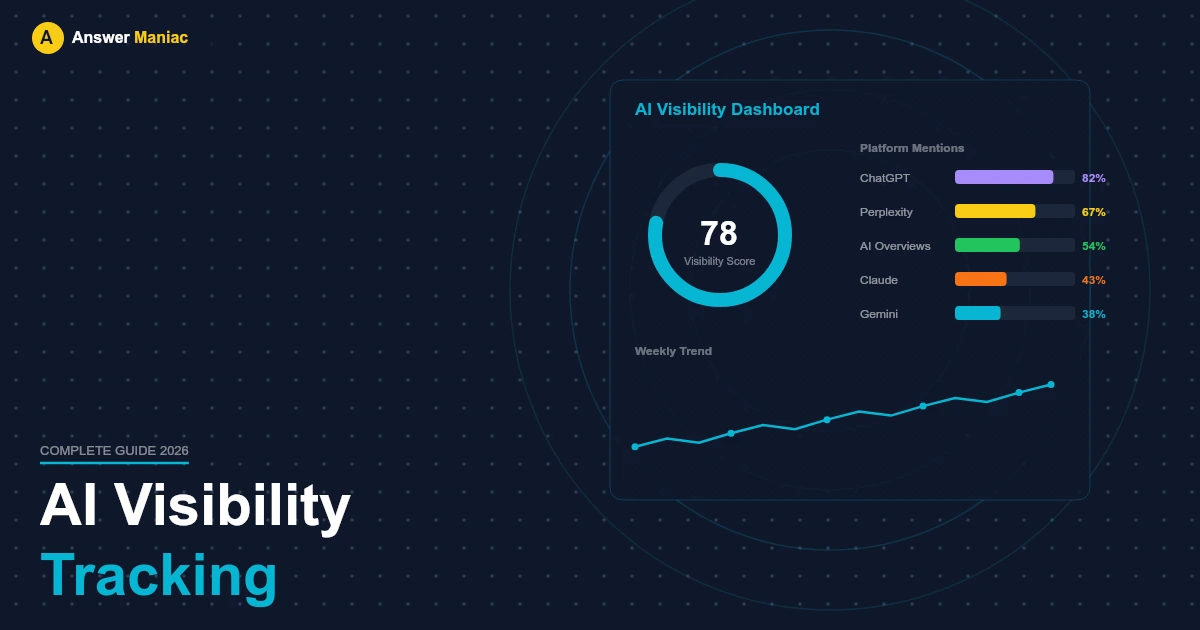
Track AI visibility to ensure your brand appears in AI-generated responses. Learn metrics, strategies, and tools for monitoring brand presence in ChatGPT, Perplexity, and AI Overviews.
Direct Answer: AI Visibility Tracking measures how frequently and prominently your brand appears in AI-generated responses across ChatGPT, Perplexity, Google AI Overviews, and Claude. Core metrics include mention frequency, share-of-voice, citation analysis, and sentiment. Unlike traditional SEO, this captures zero-click visibility where users get answers without visiting websites. Track weekly using structured prompts, and optimize with entity-rich, well-structured content.
Get a free AI visibility audit to see where your brand stands
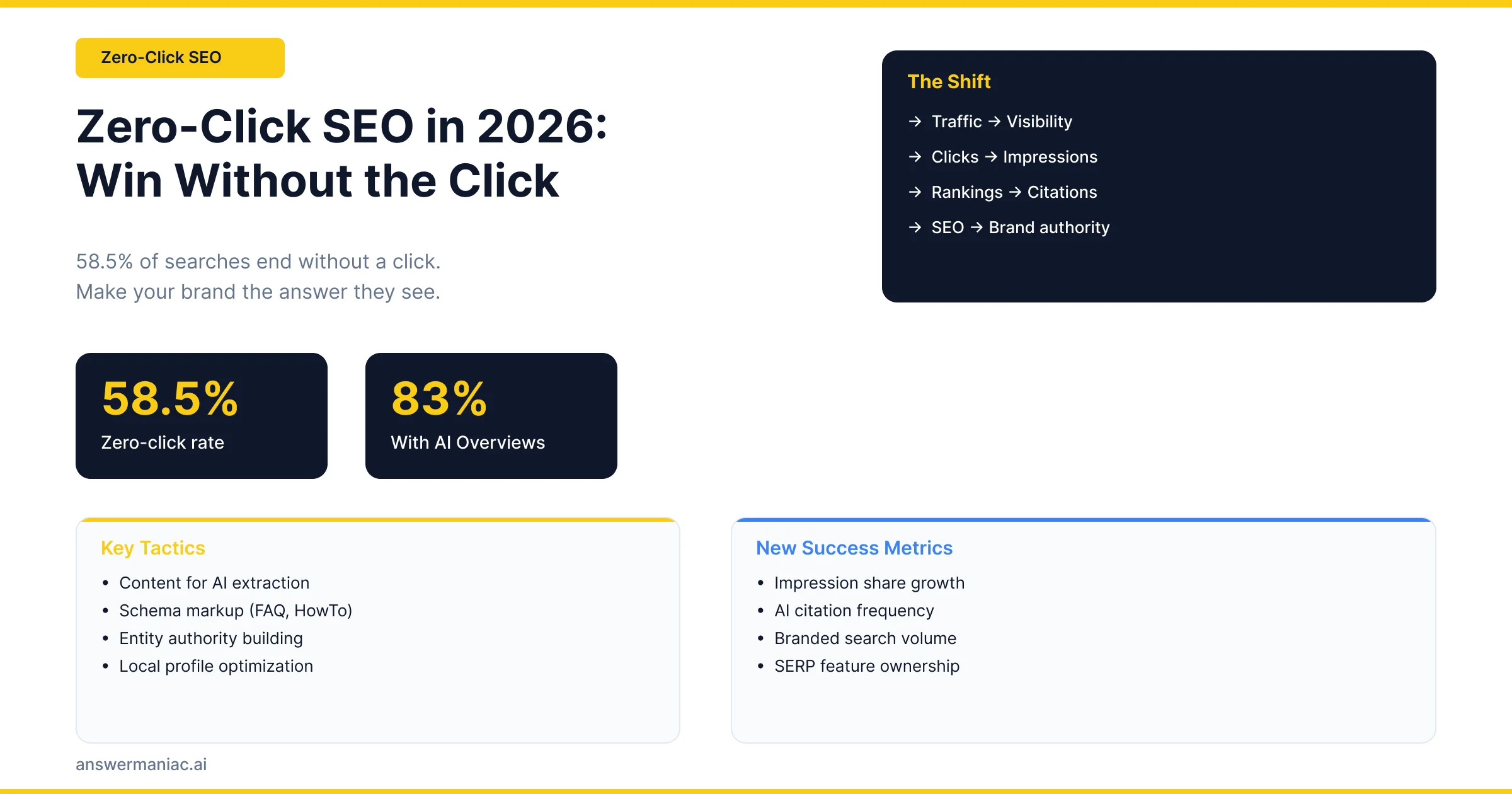
AI Visibility Tracking measures how frequently and prominently a brand appears in AI-generated responses, unlike traditional SEO, which focuses on click-based rankings. This shift is crucial as AI tools like ChatGPT, Perplexity, and Google AI Overviews increasingly provide zero-click answers that shape user perception.
Businesses that ignore AI visibility risk losing mindshare, even if their traditional web traffic remains strong. Staying aware of AI presence ensures brands maintain relevance, authority, and discoverability. Keep reading to understand metrics, strategies, and tools for optimizing AI visibility effectively.
Key Takeaways
- AI Visibility Tracking captures brand presence in AI responses, measuring frequency, citations, and share-of-voice.
- Proper tracking helps prevent zero-click invisibility and maintains buyer trust and perception.
- Structured, entity-rich content and prompt monitoring improve AI visibility across multiple platforms.
What is AI Visibility Tracking and How It Differs from SEO?
AI Visibility Tracking directly measures how often a brand appears in AI-generated outputs, including mentions, citations, and response prominence. Unlike SEO, which tracks clicks on traditional web results, AI visibility focuses on presence in the AI-driven discovery process, capturing attention even when users do not click links.
In the academic world, this shift is often researched under the term Generative Engine Optimization (GEO). A foundational study highlights the mechanical difference in how visibility is achieved:
"We demonstrate that our proposed Generative Engine Optimization methods can boost visibility by up to 40% on diverse queries... Simple, on-page edits can improve how often a site is surfaced inside AI search engines. That's a brand-new optimization lever for content teams." - Allen Institute for AI[1]
AI visibility involves monitoring mention frequency and share-of-voice across platforms. For example, a SaaS brand appearing in 35% of ChatGPT responses for relevant prompts gains significant awareness even without clicks. This contrasts with traditional search ranking, where visibility is tied to position and click-through rates. For a deeper comparison, see our breakdown of AI visibility vs SEO.
Key Highlights of AI Visibility Tracking
- Focuses on LLM outputs rather than page rankings.
- Measures entity prominence, citation authority, and sentiment.
- Captures zero-click opportunities and competitive gaps.
Which Key Metrics Define AI Visibility Tracking?
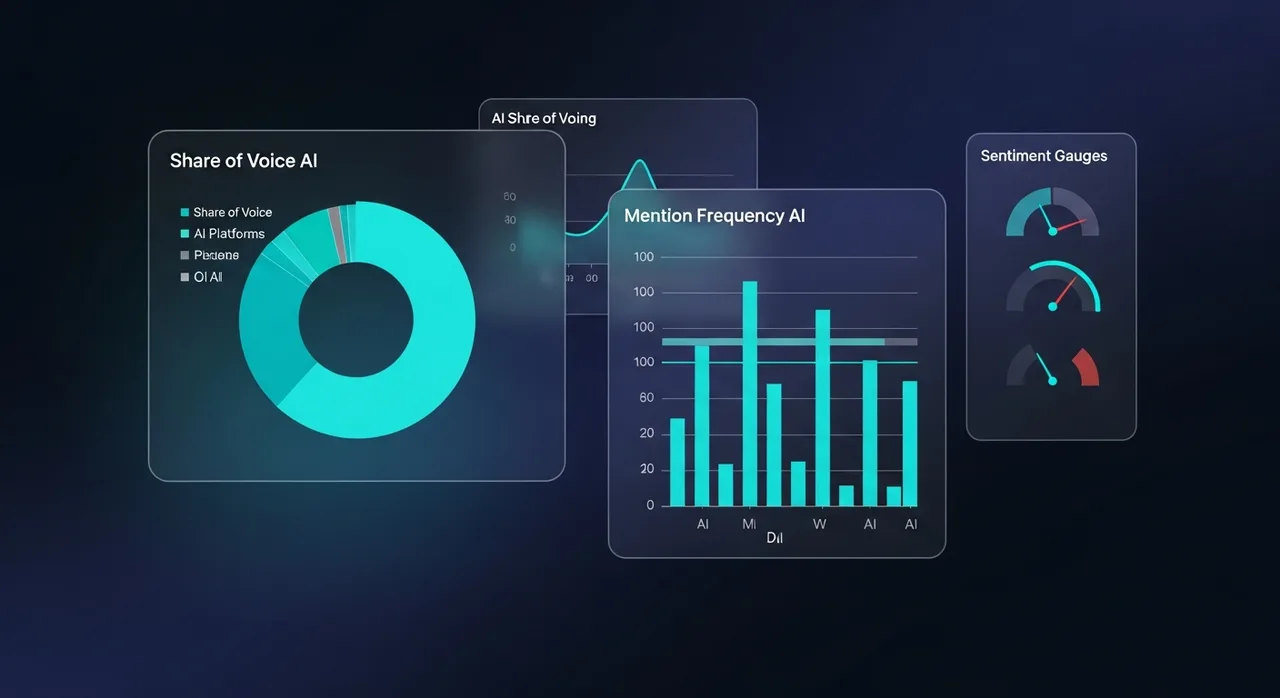
Metrics define the scope and actionable insights of AI visibility monitoring. The most critical include mention frequency, share-of-voice, citation analysis, sentiment, and trends across platforms.
Using tools that track rankings in ChatGPT helps brands measure their relative position and visibility across AI responses.
Understanding the value of each metric helps us prioritize efforts. Tracking these metrics weekly or daily allows businesses to measure changes over time and respond to AI-driven shifts in visibility.
| Metric | Purpose | Example Platforms |
|---|---|---|
| Mention Frequency | Tracks raw appearances across AI responses | ChatGPT, Perplexity |
| Share-of-Voice | Benchmarks brand vs competitors | Google AI Overviews, Claude |
| Citation Analysis | Audits sources and references | Copilot, Gemini |
| Sentiment | Monitors tone and positioning | ChatGPT, Perplexity |
| Trend Analysis | Observes changes and volatility | Multiple AI platforms |
Metrics like citation analysis are particularly impactful. Brands can use this data to refine content and ensure consistent AI recognition, especially when using citation velocity tracking to measure how fast your mentions are growing compared to competitors.
Bullet Summary of Key Metrics
- Mention frequency shows raw AI awareness.
- Share-of-voice measures competitive visibility.
- Citation analysis validates source authority.
- Sentiment tracking shapes perception.
- Trend monitoring identifies shifts across AI platforms.
Why Does AI Visibility Tracking Matter for Brands?
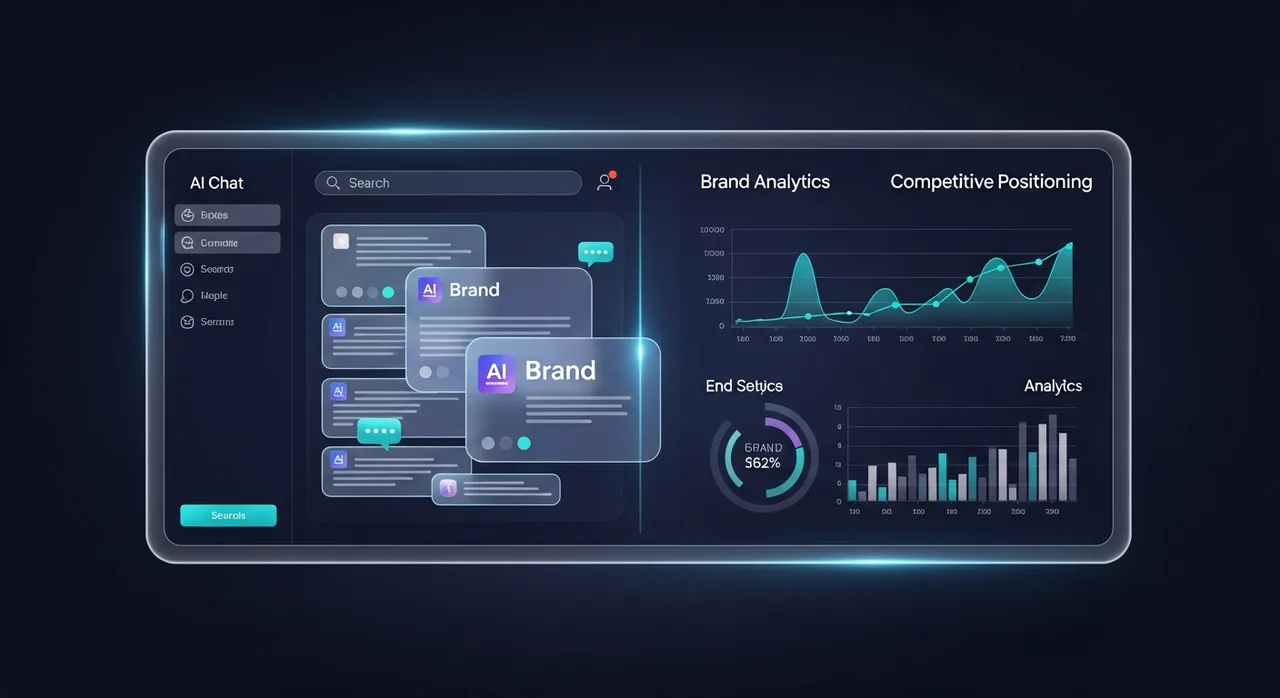
Brands not appearing in AI-generated responses risk zero-click invisibility, where potential buyers never see their offerings. Favorable mentions in AI answers transfer trust and shape buying decisions, giving companies a competitive edge.
Visibility isn't just about being present; it's about the narrative being formed. Research warns that AI tools can be restrictive in the perspectives they share, making proactive tracking essential for brand narrative control:
"Generative AI tools tend to reproduce normative identities and narratives, rarely representing less common arrangements and perspectives. When they do generate variety, it is often narrow... [This raises] questions about the politics of visibility: what kinds of stories do these tools tend to generate, and what do they generally not?" - New Media & Society[2]
Monitoring visibility ensures brands are not excluded from these "normative" AI narratives and remain top-of-mind for both searches and AI-driven recommendations. Understanding how to rank in answer engines provides the tactical foundation for maintaining this presence.
Why It Matters
- Prevents zero-click invisibility in AI answers.
- Maintains competitive mindshare across platforms.
- Shapes buyer perception through citations and tone.
- Identifies gaps against competitors in AI responses.
Which Platforms and Tools Help Track AI Visibility?
Think of it as setting up a regular check-in. You pick your key questions, and the tool tracks how different AI models answer them over time.
This shows you trends, gaps, and opportunities that basic web search tracking can't catch. Platforms that automate monitoring of mentions, citations, and AI output frequency across multiple engines help teams see which prompts trigger brand mentions and how often those mentions persist over time through AI citation tracking workflows.
Here's a breakdown of common platforms:
- llmpulse - Tracks prompts and responses, good for dashboards.
- Visible - Focuses on share-of-voice analysis across multiple models.
- SE Ranking - Provides insights on citations and visibility trends.
- Copilot - Monitors AI outputs directly from sources like ChatGPT.
| Tool | Key Feature | Platforms Covered |
|---|---|---|
| llmpulse | Prompt tracking & dashboards | ChatGPT, Perplexity, Google AI |
| Visible | Share-of-voice analysis | Multiple LLMs |
| SE Ranking | Citation & trend insights | ChatGPT, Claude |
| Copilot | AI output monitoring | ChatGPT, Gemini |
| Gemini | Source tracking | Google AI Overviews |
The real value is in consistency. By checking these dashboards weekly, you can spot when a competitor starts getting cited more, or when your own content drops out of the answers. For a full breakdown of tool options, see our answer engine optimization tools stack.
What Strategies Optimize AI Visibility?
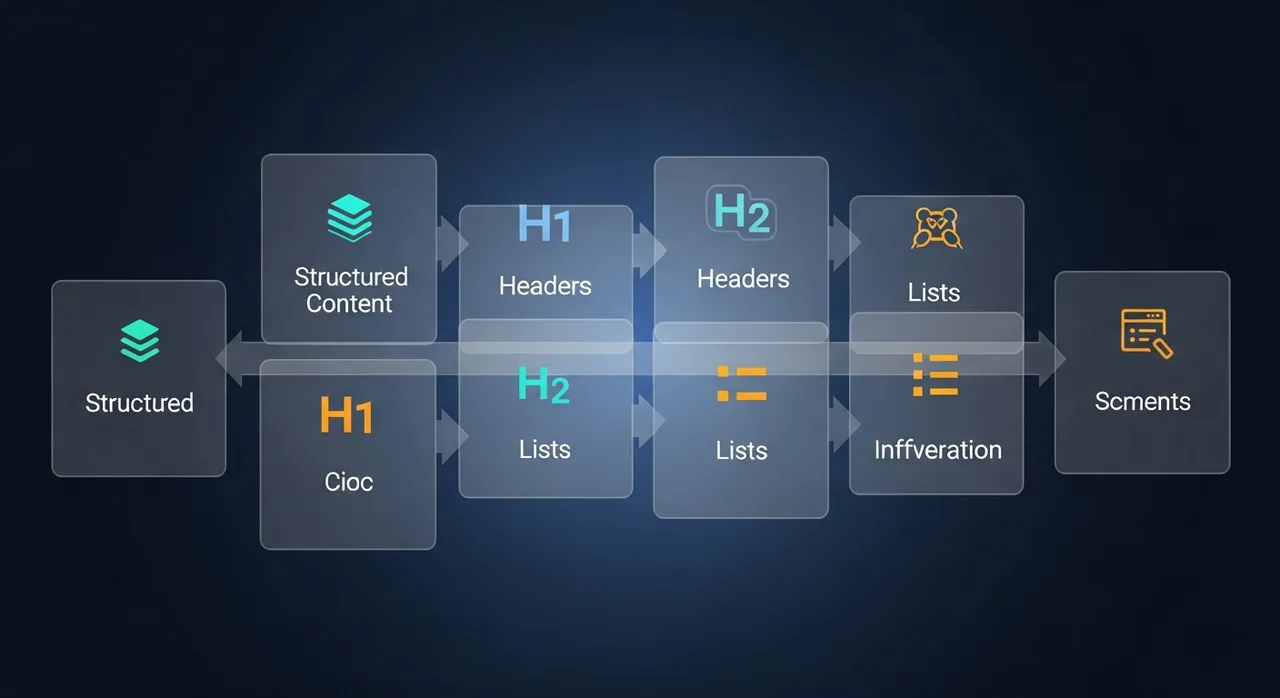
To get AI to talk about your brand, you need clear strategies. It's about helping the machine understand and trust your content.
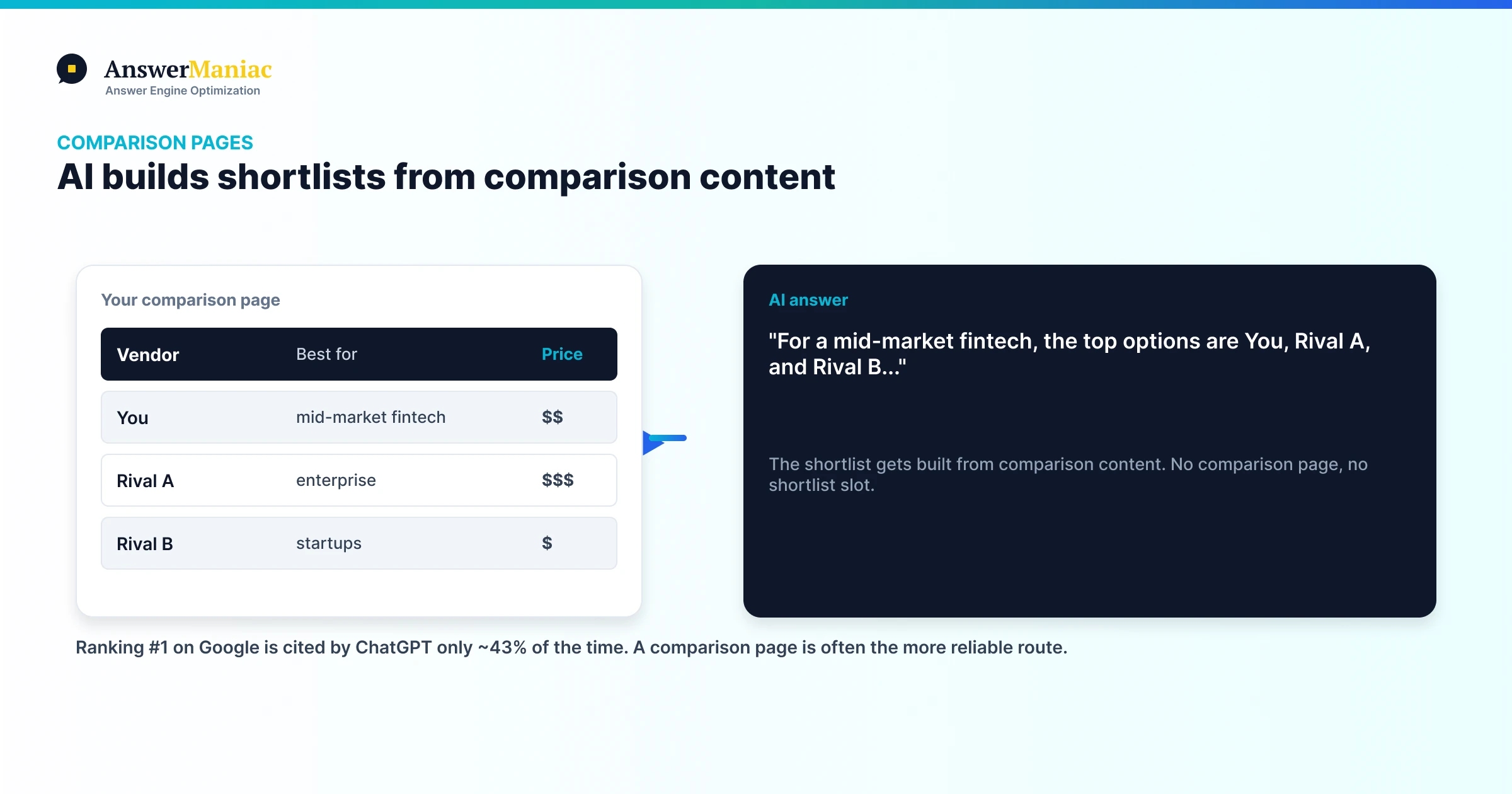
First, structure is key. Use clear headings, bullet points, and tables. This helps AI models quickly see what your page is about and who it's for. Think of it as organizing information so it's easy to scan. Schema markup plays a critical role here.
Second, lead with original data. Publish your own research, case studies, or unique findings. AI tools are more likely to cite a primary source than an article that just repeats common knowledge.
Third, find the gaps. Look at what your competitors are being cited for. Then, create better, more definitive content for those exact questions to claim that visibility. Our guide on competitor displacement covers this in detail.
Key tactics to focus on
- Format content with clear headers and lists for AI parsing.
- Use original research and data to earn citations.
- Target specific queries where competitors are currently dominant.
- Keep your tracking prompts consistent for reliable data.
- Build entity optimization and knowledge graph presence for stronger AI recognition.
Case studies show that simple optimizations, like adding a comparison table, can increase AI citation rates. The goal is to be the most useful and clearly written source on a topic.
AI Visibility Tracking Insights with AnswerManiac
https://www.youtube.com/watch?v=5kNShp1RuMQ Credits: Ako Stark Tutorials
At AnswerManiac, we focus on a simple goal: helping your content get seen by AI. The process starts with the questions people are actually asking.
We help you build clear, structured answers, FAQs, and content that AI models can easily understand and trust. This isn't about keyword stuffing. It's about creating the definitive resource for a specific query, which makes your brand a more likely source for AI to cite.
We centralize this data, showing you where you appear, where your competitors do, and where there are gaps you can fill.
The core of what we do
- Discover the exact questions your audience asks AI.
- Create structured, entity-rich answers tailored to those prompts.
- Monitor AI responses weekly across multiple platforms.
- Analyze visibility gaps and competitor citations.
- Optimize content based on clear, centralized insights.
Using AnswerManiac, you move from guessing what works to seeing it directly. You can identify which specific prompts drive the most visibility for your brand and adjust your strategy with real data, not hunches.
FAQ
What is AI visibility and why does it matter for my brand online?
AI visibility measures how often your brand appears in AI-generated search results, including zero-click answers and responses from generative engines. Tracking AI visibility allows you to monitor brand mentions, perception shaping, and share of voice across platforms like ChatGPT, Perplexity, and Google AI Overviews. Businesses that track this can improve content optimization, build authority, and respond effectively to shifts in AI-driven buyer intent.
How can AI visibility tracking improve my content strategy?
AI visibility tracking identifies which AI-generated responses mention your brand and which don't. By analyzing semantic relevance, entity clarity, and prompt coverage, you can refine your content to align with how AI models retrieve and cite information. This ensures your content matches real user queries, increases organic AI visibility, and supports data-driven optimization.
What role do structured data and entities play in AI visibility?
Structured data and entity optimization enhance content relevance for AI systems. Clear schema markup, consistent entity descriptions, and topical authority help AI models identify your brand as an authoritative source. Proper entity optimization strengthens how AI platforms surface your brand in competitive queries across multiple models.
How can I track AI-generated responses for competitor analysis?
Tracking AI outputs for competitor mentions provides insight into market positioning and content gaps. Tools that monitor ChatGPT, Perplexity, Gemini, and Claude responses help you compare mention frequency, citation sources, and competitive share of voice. Consistent prompt testing across weeks reveals real trends rather than one-time fluctuations.
Why is monitoring AI answer tone and citation sources important?
Monitoring tone affects brand perception and trust. Tracking which sources AI models cite ensures your content remains authoritative and up-to-date. Combining sentiment analysis with source authority tracking helps you identify when outdated or inaccurate information shapes how AI describes your brand, giving you the data to fix it proactively.
AI Visibility Tracking: Conclusion and Next Steps
If you're not tracking AI visibility, you're missing the conversation. Strong SEO isn't enough; you need structured content and consistent monitoring to stay in AI answers. Define real customer questions. Use tools to track your mentions. Build clear, authoritative content AI can cite. This protects your pipeline in a zero-click world.
For teams ready to build systematic AI visibility, The ANSWER Framework provides the methodology: Audit, Navigate, Structure, Write, Earn, Refine. Or get a free AI Visibility Audit from AnswerManiac to see where you stand today.
References
Get AEO Insights Weekly
Join 500+ B2B marketers getting AI visibility tactics every Tuesday.
Ready to Get Your Brand Cited by AI?
See how your competitors show up in ChatGPT, Perplexity, and Gemini — and what it would take to get recommended.